
Education-sector case study
Building an electrical asset map from scratch
Private school, South-East London
From blank building plans and no usable electrical asset record to a structured, site-wide system covering 58 assets and approximately 520 circuits.
Measured scope
The challenge
The school knew boards existed. It could not always reliably locate them.
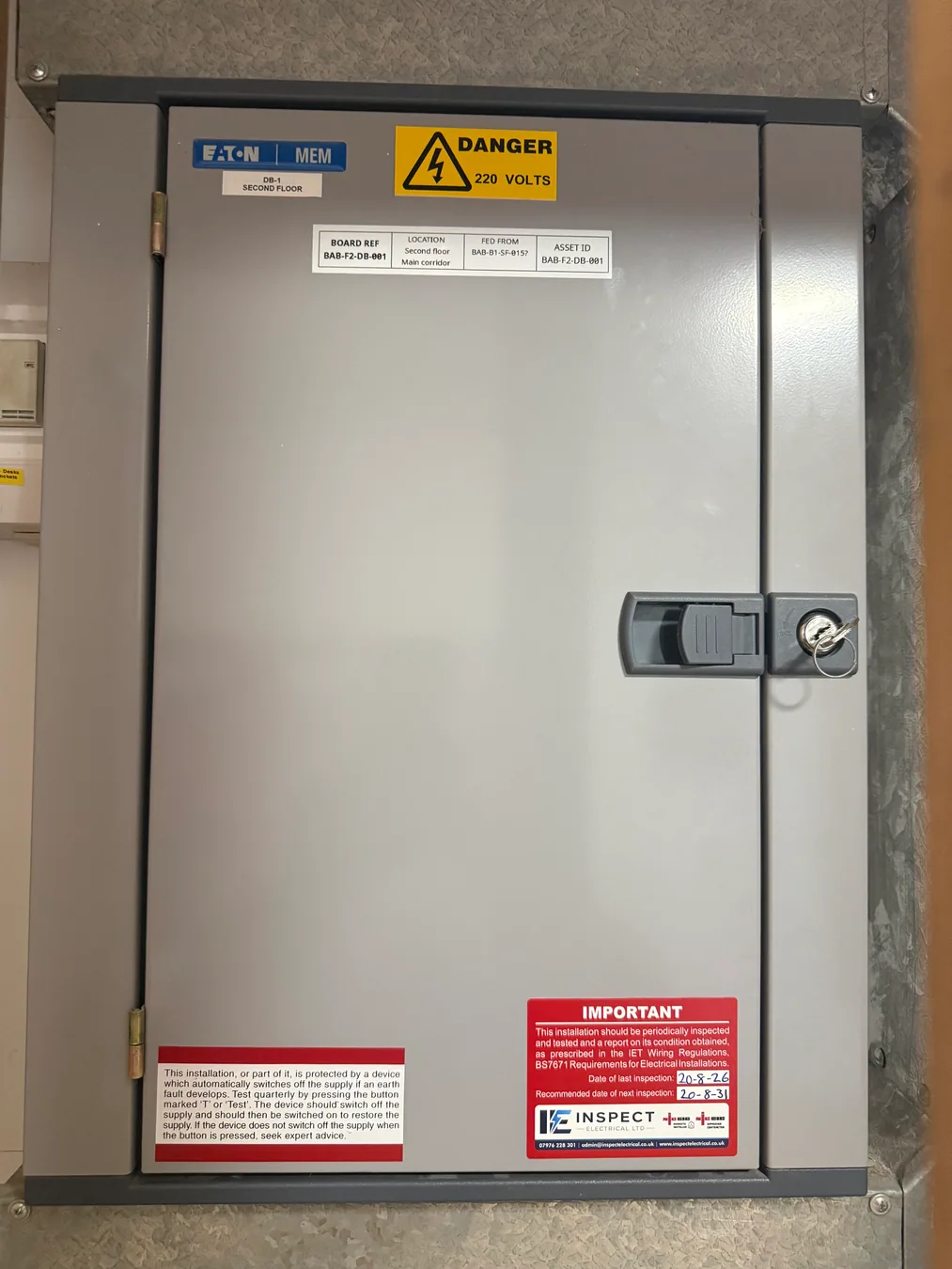
The school had no electrical asset register and no electrical location drawings. The available plans showed the building layout, but contained no usable electrical asset information.
An initial walk-through with the premises manager established the known equipment. Inspect Electrical then took responsibility for the detailed survey, identification, labelling and mapping exercise.
 Before
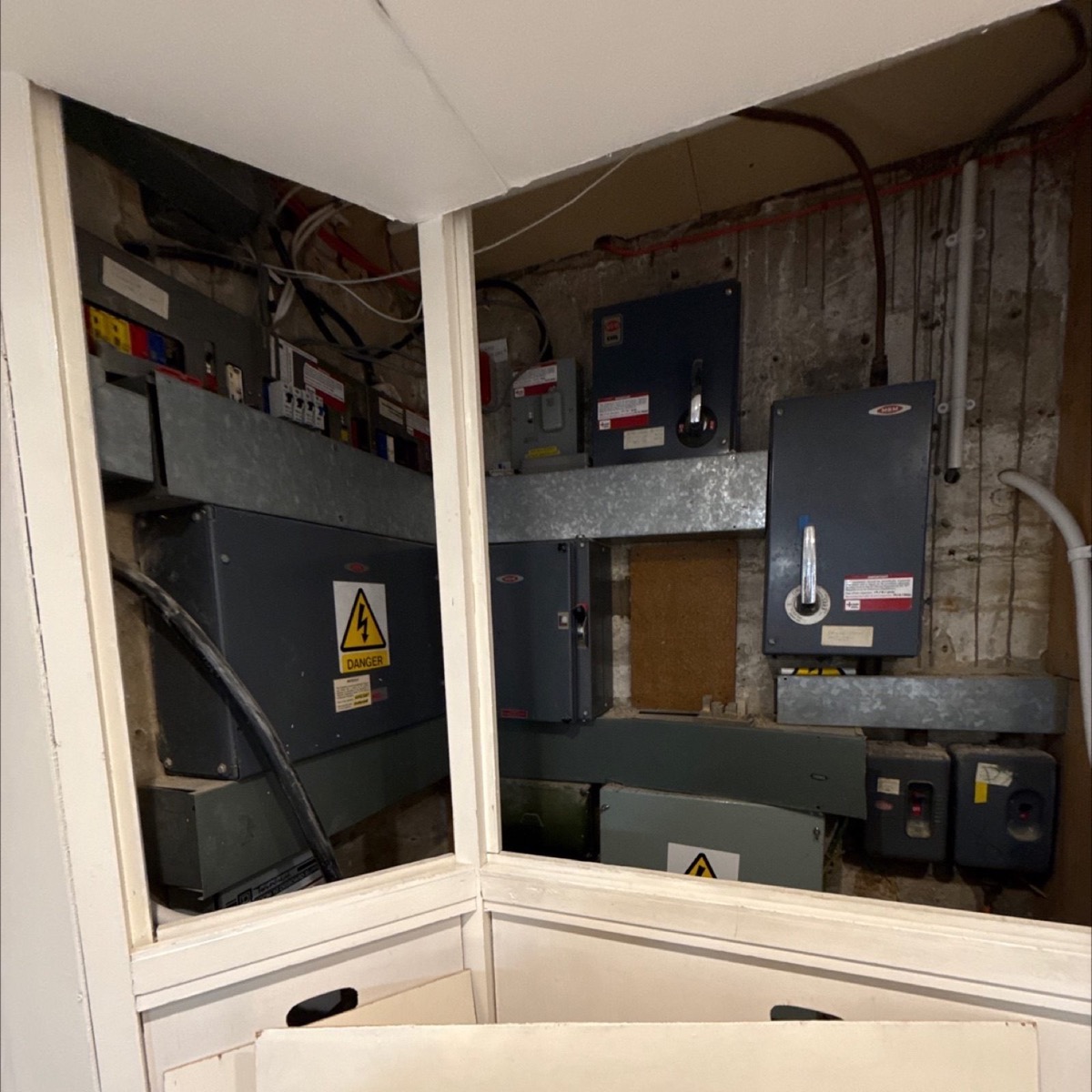
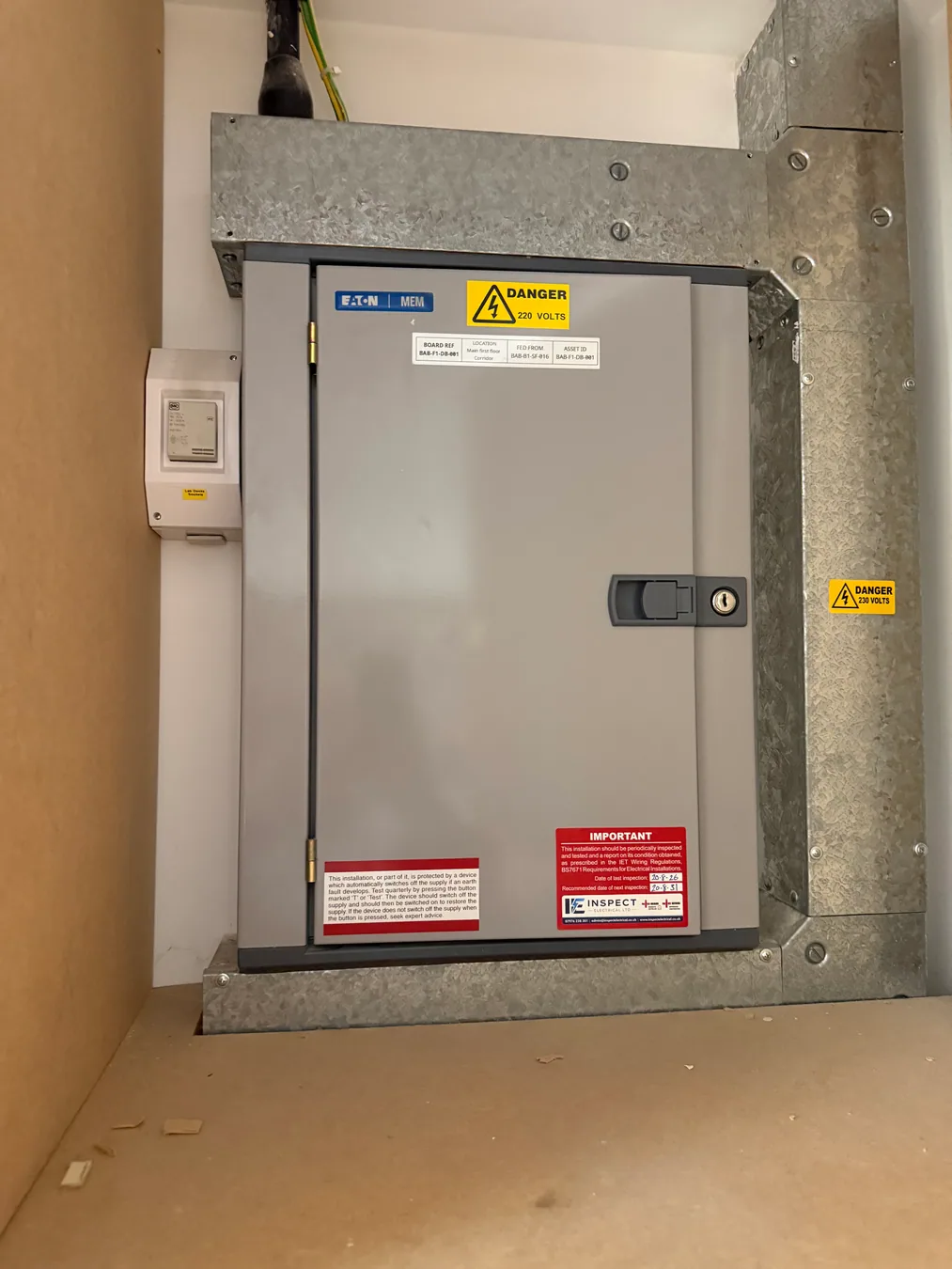 After
AfterThe solution
Four records, one asset identity
The project linked what staff can see in the building to what appears on the plans and in the electrical records. One persistent identity now follows each mapped asset.
Survey to handover
A controlled, repeatable process
The work was completed as part of a full EICR covering approximately 520 circuits and all parts of the school.
Walk the site
Start with the premises manager's local knowledge and the equipment already known.
Survey in detail
Work methodically through all parts of the school to locate the wider asset population.
Identify
Allocate a unique reference by site, level, asset type and sequence.
Trace
Establish and record the distribution hierarchy and upstream supply relationships.
Label
Apply a permanent physical label carrying Board Ref, Location, Fed From and Asset ID.
Photograph
Create a visual record that helps confirm the correct item in its real setting.
Map and register
Plot the verified position on the relevant plan and add the asset to the register.
Connect to the EICR
Use the same reference across the approximately 520-circuit inspection record.
Physical identification
The label carries the information needed at the asset
A generic description such as “DB1” is not enough on a complex, multi-level site. The installed labels use a consistent structure and show four defined fields.
The reference can be used to locate the asset on the drawing and follow its position within the electrical distribution system.
Drawing-set evidence
58 site-verified assets across four levels
The final register records the asset population by level and type, with each location cross-referenced to the relevant drawing.
Asset register summary
Locations are an asset-identification aid, not a substitute for confirming the correct asset and proving isolation before work.
Distribution hierarchy
Showing where an asset sits in the supply path
Tracing the distribution hierarchy formed part of the completed scope. The FED FROM field connects each labelled asset to its upstream source.
That turns the location drawing into more than a list of points: it helps the premises team understand how the mapped equipment relates within the wider electrical system.
The outcome
A practical electrical record for the people managing the building
The premises manager can now take a unique reference and use it in three connected ways.
Identify it
Match the reference to the permanent label on the equipment.
Locate it
Find the asset on the relevant floor drawing rather than searching the building.
Understand it
See where the asset sits within the traced electrical distribution hierarchy.
Proof of work
Surveyed, labelled and documented in the real building
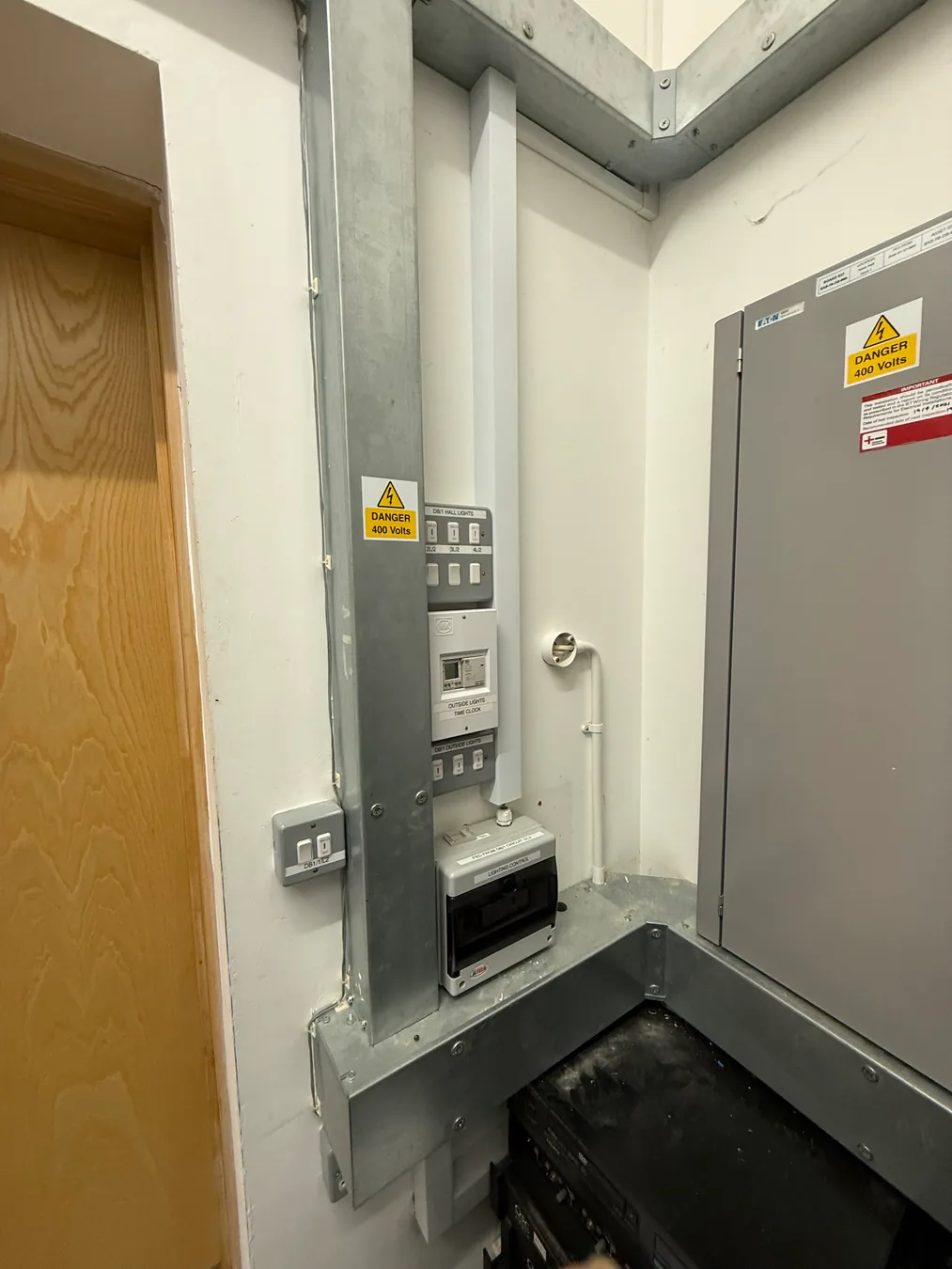
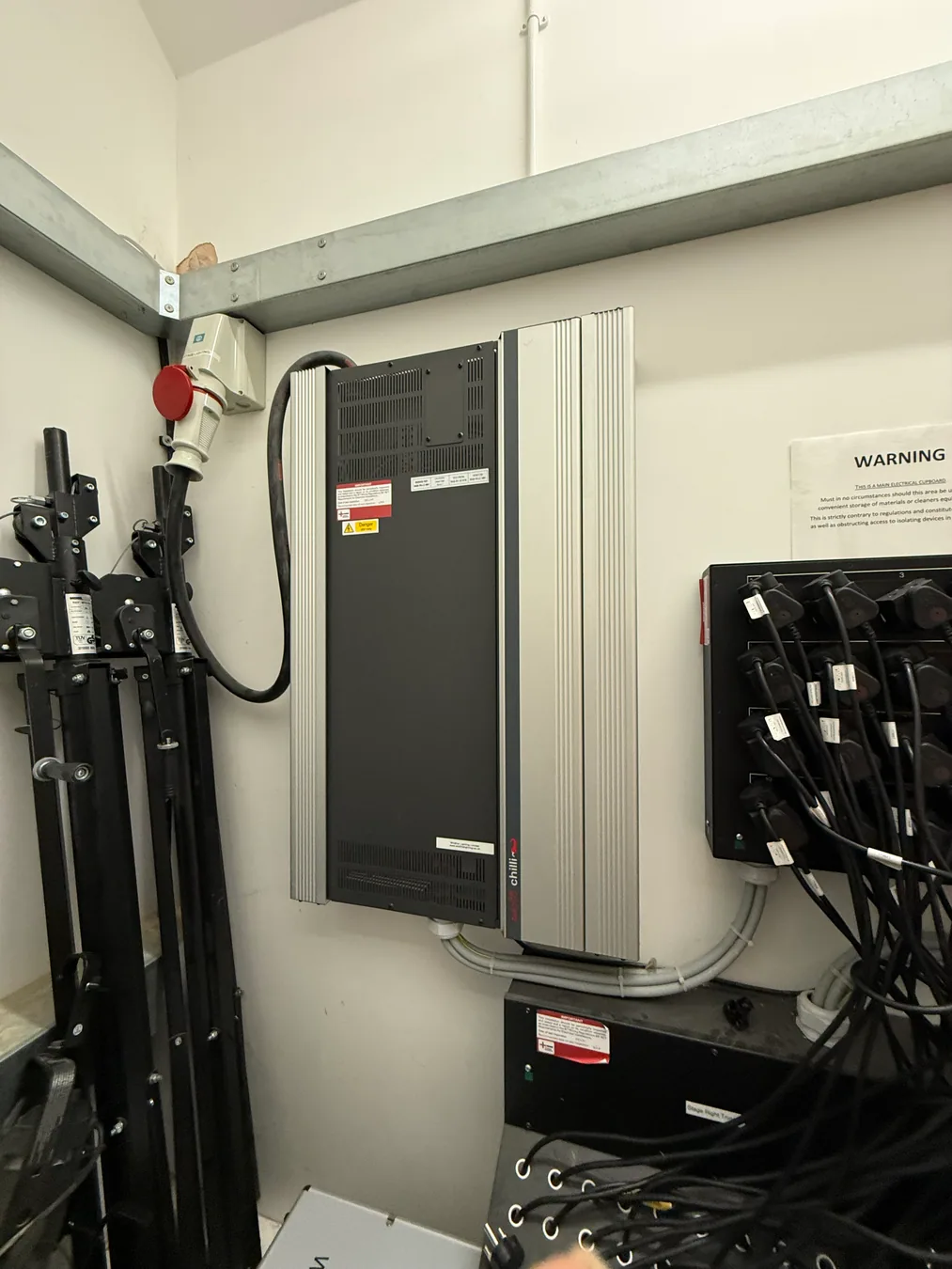
The photographic record shows the applied system across conventional distribution boards and the wider equipment environment.
Completed handover
One joined-up site record
The finished information is structured for day-to-day facilities use and for future inspection, maintenance and remedial work.
Permanent labels
A durable physical identity on each mapped asset.
Asset register
A single index of the 58 site-verified electrical assets.
Floor-by-floor drawings
Asset locations recorded across basement, ground, first and second floors.
Distribution hierarchy
Upstream relationships traced and connected through the FED FROM field.
Photographic record
Real-world context to help confirm the correct equipment.
EICR alignment
The same identifiers carried into the full inspection and testing record.
For schools and complex estates
“Knowing that a board exists is not the same as being able to find it.”
Asset mapping gives estates teams a common reference across equipment, drawings, photographs and inspection records – particularly valuable where buildings have evolved over many years.
Electrical asset mapping
Could someone unfamiliar with your building find every board?
Inspect Electrical can build a structured electrical asset record as a standalone survey or alongside an EICR.